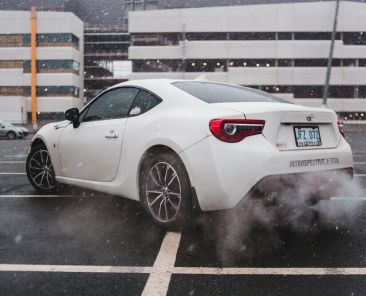

BMW M3
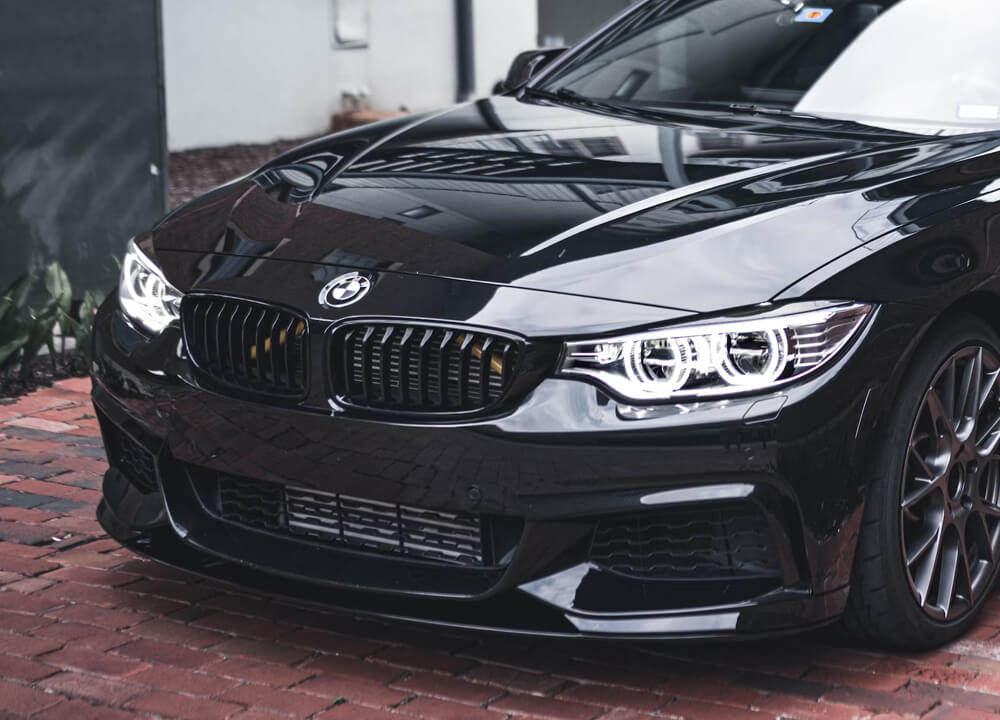
The BMW M3 is a legendary sports car known for its motor heritage.it can reach speeds of higher than 90 mph and 0-60 in less than 10 seconds.
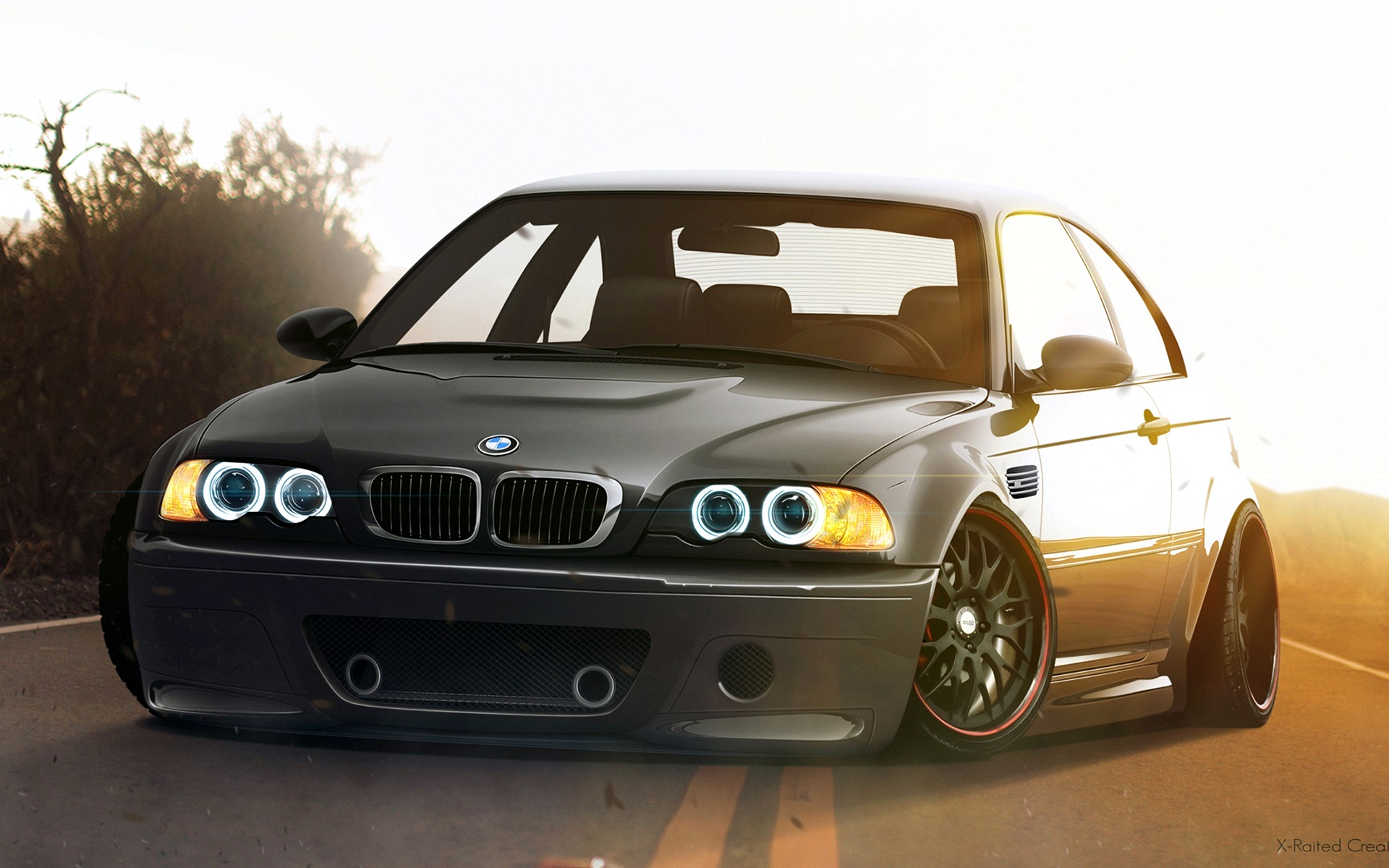
at a glance
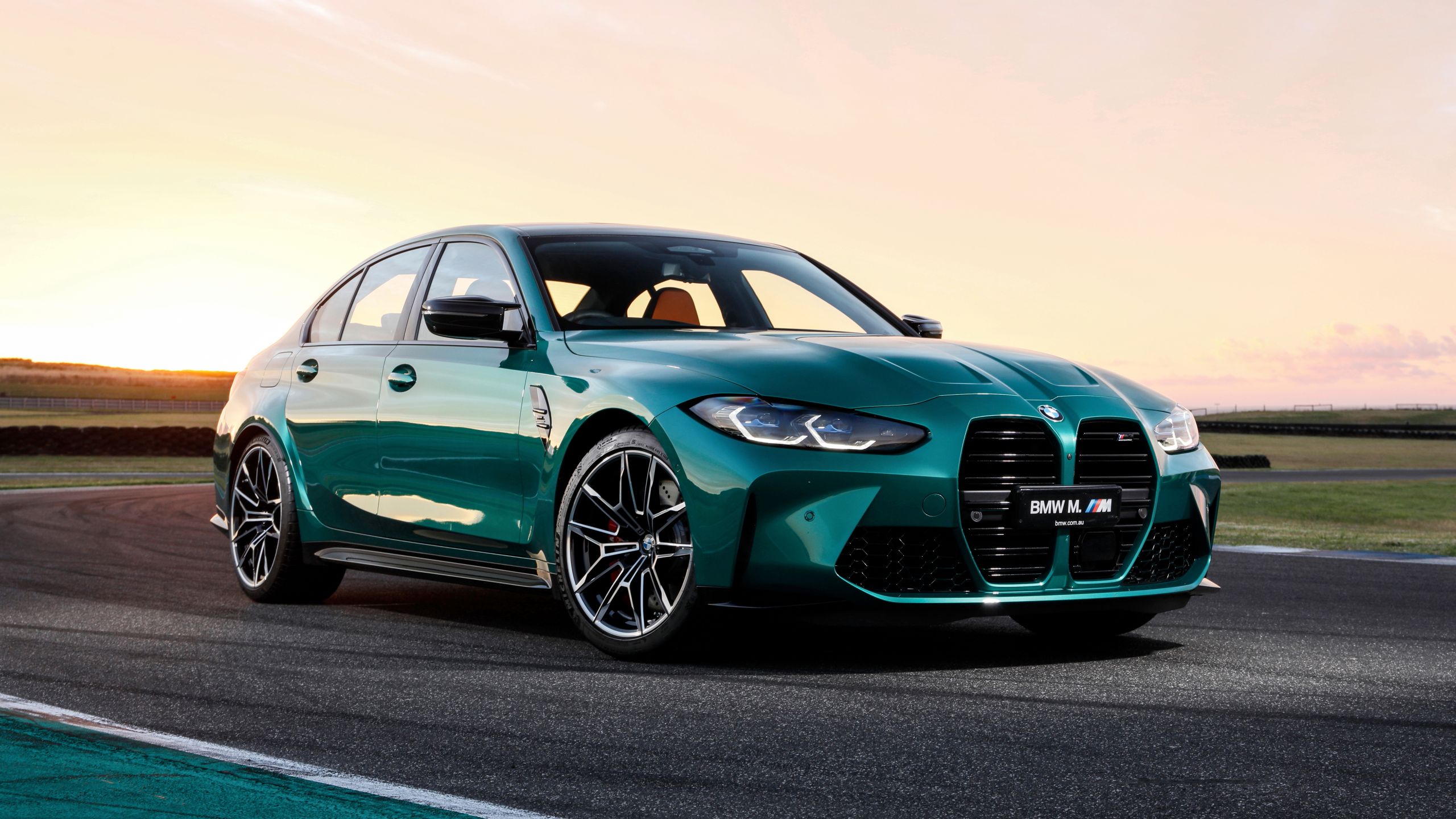
How much space is there?
The 3 Series has a not inconsiderable 480 litres of boot space, which betters the Mercedes C-Class by 25 litres and the Audi A5 by 30. The Audi is easier to load as the opening is a squarer shape, but you can still slot a few big suitcases into the BMW’s boot without hassle. Add the optional extended storage pack and there’s all sorts of useful nets, hooks and pockets to store small items. The back seats fold down in a 40:20:40 split to create 1,510 litres of capacity. It’s quite a long space that you can slide flat packs into, but the car’s ultimate practicality is always limited by its ‘three-box’ saloon shape. The 3 Series Touring is the better option if load-lugging ability is a priority.
It may be classed as a ‘compact’ saloon, but the 3 Series is actually quite a big car. At 4,713mm long, it’s the same length as a Nineties 5 Series. It’s also about two metres wide (including the mirrors). Still, we found it slots into the majority of parking spaces easily enough. Visibility all-round is pretty good and you can position the door mirrors to see the car’s rear end. There’s a comprehensive suite of parking sensors and a reversing camera to help out, as well. A 360-degree camera system is available from the options list. With the latest update BMW has refined the Comfort driving mode, making the steering even lighter than before. While parking a 3 Series will never build-up a sweat, the finger-tip light steering in this mode makes parking more of a doddle.
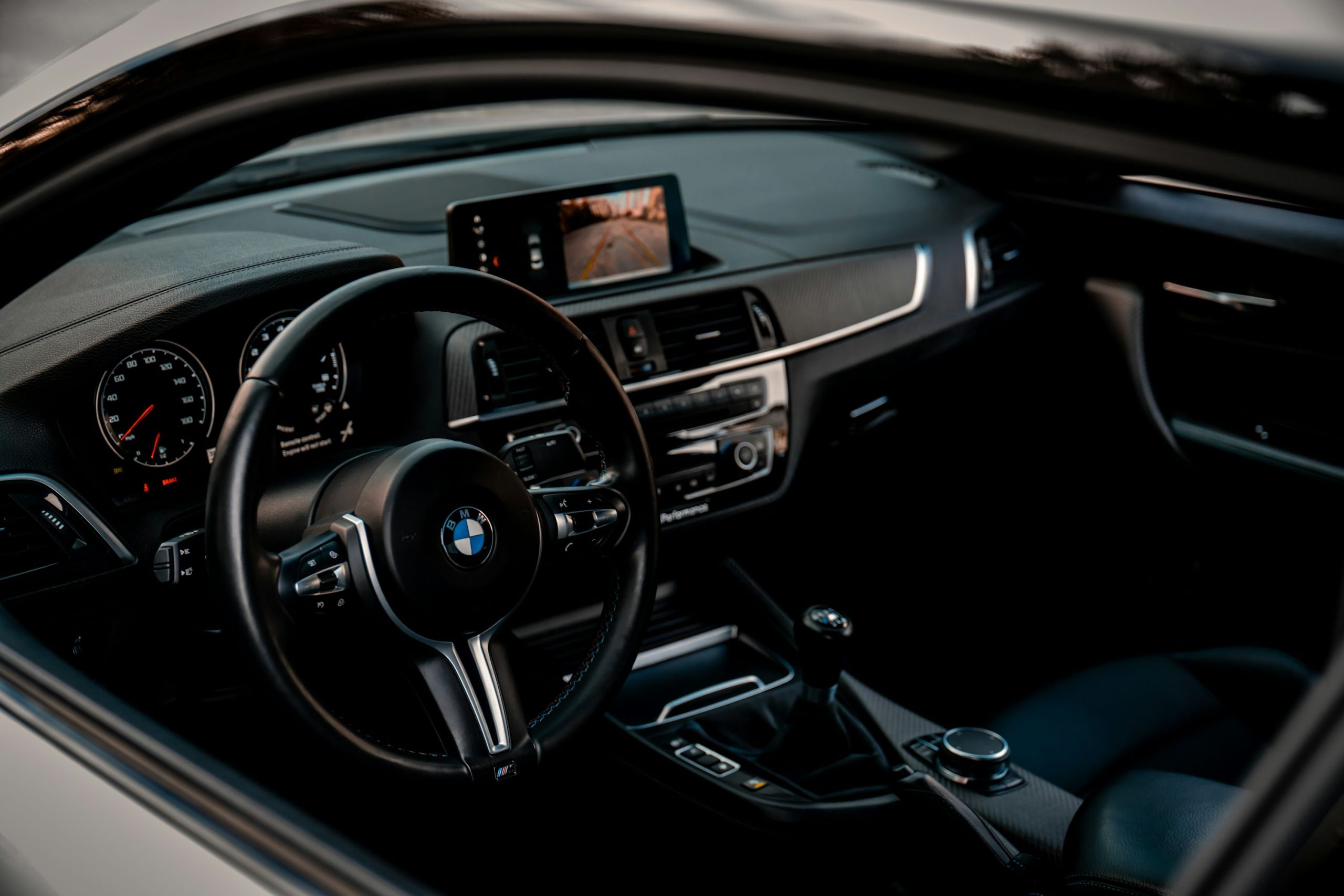
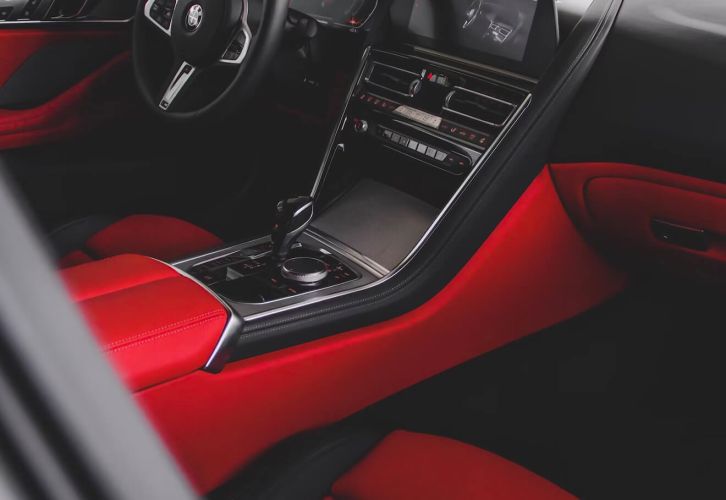
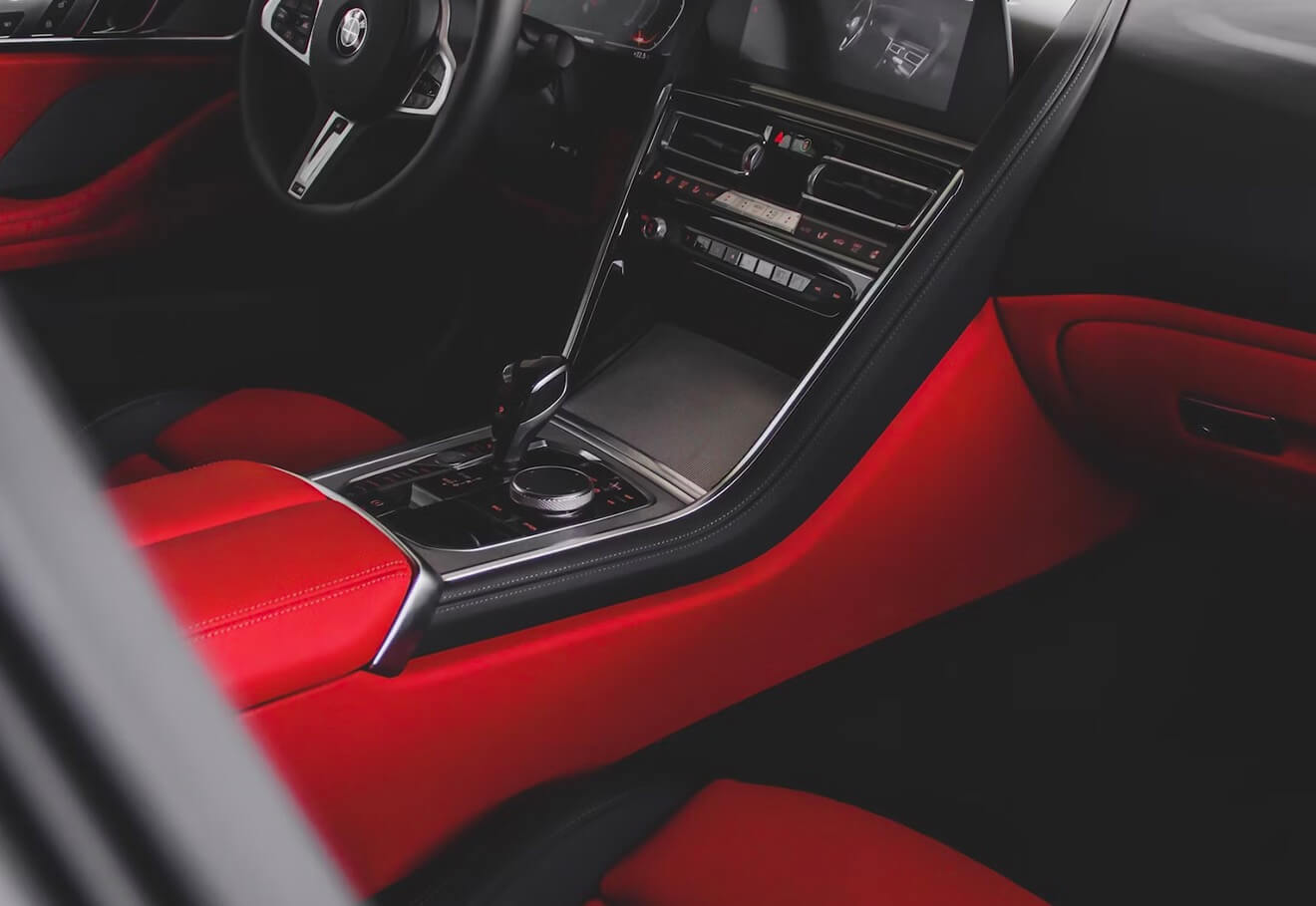
The interior of the BMW 3 Series looks smart and is very well made. Early models in this generation had a rather plain dashboard but the 2022 facelift brought in the so-called Curved Display. It’s a vast sweep of screens butted together, one for the driver and another to control the infotainment system. It’s now familiar from most other BMWs but it gives the 3 Series an undeniable wow factor. There’s a smattering of physical controls lower down on the dashboard and centre console, but the vast majority of the car’s features and functions are controlled through the screen. Fortunately, it’s much more user-friendly than some similar set-ups we’ve come across.
Petrol Engines
The BMW 3 Series is currently only available with two petrol engines in the 320i and M340i. Both are turbocharged and come with an eight-speed automatic gearbox. The 320i is rear-wheel-drive and the M340i has xDrive all-wheel-drive. Let’s look at the detail a bit more closely. The 320i has a 2.0-litre, four-cylinder engine and a horsepower rating of 184hp, with 300Nm of torque. That translates to a 0-62mph time of 7.4 seconds and a top speed of 146mph.
The M340i has a 3.0-litre, six-cylinder engine that develops 374hp and 500Nm of torque, enough for a 0-62mph time of 4.4 seconds and a 155mph top speed. The current version has a mild-hybrid system that boosts efficiency but not power. The M340i can be brilliant fun and it’s a fabulous cruiser, but we think the 320i is the more realistic proposition in the real world. Not least because it’s significantly cheaper.
Diesel Engines
You can no longer get a diesel engine in a brand-new 3 Series so, if you want one, you’ll have to buy used. And there are a lot of them to choose from, with either a 2.0-litre four-cylinder, or 3.0-litre six-cylinder engine. There are two versions of the 2.0-litre engine. The 318d produces 150hp and 320Nm of torque, and gets from 0-62mph in around eight seconds. The 190hp, 400Nm 320d is arguably the sweet spot in the whole 3 Series range, delivering a great balance between performance (0-62mph in seven seconds) and efficiency.
The 3.0-litre engine is available in three states of tune. The 330d has 265hp and 580Nm of torque, or 286hp and 650Nm with a mild-hybrid system attached. Either way, the 330d is a properly fast car that can still achieve over 50mpg on a long run.
What are the running costs?
The BMW 3 Series is a surprisingly economical car, whichever engine you go for. Of those currently available, the 320i can achieve 43.5mpg according to the official WLTP figures, while the M340i can do 36.2mpg. CO2 emissions are relatively low, as well, taking the sting out of the first-year VED bill. Note that the size of the car’s wheels affects economy and emissions. As for older 3 Series models, there are simply too many of them to give you more than a big picture of how efficient they are here. For the full details on any version you’re interested in, search for it on our specs pages.
So, what does the big picture look like? The four-cylinder petrol engines in the 318i and other versions of the 320i can easily return over 40mpg, even 50mpg if you drive gently. In the 330i, you’re looking at more like 35-40mpg. In the four-cylinder diesels, you should be able to reach at least 50mpg, while the six-cylinder diesels can get into the mid-40s. All these numbers are very competitive against equivalent models of Audi A4, Mercedes C-Class and Volvo S60.
Servicing and warranty
BMW servicing charges can be pretty steep, but then it is a premium brand. However, you can spread the cost by taking one of its fixed-price, multi-year service plans. Regular maintenance is included, plus some potential unexpected costs. Interestingly, service intervals are based on condition, rather than mileage. On-board computers monitor the car’s health and calculate when a service is due.
BMW provides a three-year warranty with no mileage cap. That’s more generous than the industry-standard three years or 60,000 miles, but way off 10 years of coverage available on a Lexus. Even a used Kia Stinger may have more than three years of its seven-year warranty left.
The 3 Series has a very good reputation for reliability. It was rated the most reliable car in the 2022 Fleet News FN50 survey, which is based on real-world usage among some of the largest fleets in the UK and that’s backed up by the experiences described in our owner reviews.